parasol as a research tool: how it finds tokens that axiom and trojan can't filter
10,400 tokens launch on solana every day. 98% of them die. 82.8% show signs of manipulation. the research problem is not finding tokens; it is filtering out the ones that will destroy your capital.
axiom, trojan, and parasol all approach this differently. understanding the difference is the difference between spending hours on research and having research done for you.
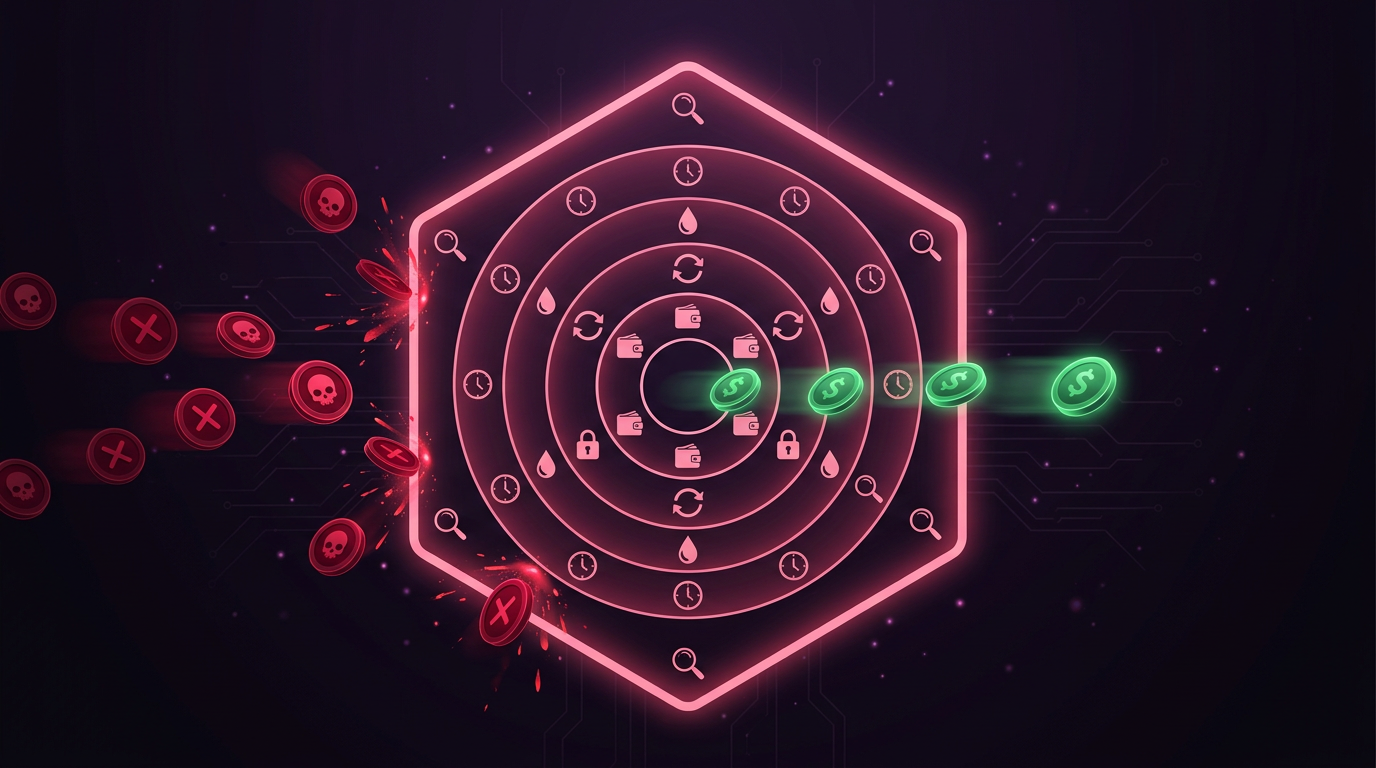
the research problem in solana memecoins
most traders research tokens the same way:
steps 1 through 4 take anywhere from 30 seconds (for impulse traders) to 30 minutes (for careful ones). the problem is that none of those steps reliably detect:
these patterns are invisible on a chart. they require cross-referencing multiple data sources, analysing wallet clusters, and checking transaction patterns. no human does this for every token they consider.
how trojan handles research
trojan added trenches; a discovery feed that shows every new token across platforms. it is fast, comprehensive, and gives you a firehose of new launches.
what trenches does well:
what trenches does not do:
trenches is a data feed, not a filter. it shows you everything and lets you decide. if you are fast and experienced, this works. if you are looking at 10,400 tokens a day and trying to find the 2% that are real, a firehose is not what you need.
trojan also has token audits; contract analysis, holder information, sniped and bundled percentages. this is useful for individual token due diligence but it is manual. you check one token at a time. there is no automated screening across the full market.
how axiom handles research
axiom gives you a web terminal with portfolio analytics and charting. for research, you bring the token, axiom shows you the data.
what axiom does well:
what axiom does not do:
axiom is a microscope. excellent for examining a token you already know about. but it does not help you find which tokens to examine in the first place.
how parasol handles research
parasol runs a continuous research pipeline that does what no human can do manually: scan the entire solana memecoin market, every cycle, through multiple layers of analysis.
the scanner: filtered universe
the scanner tab shows 30-60 tokens at any given time. these are not random. They are the survivors of a multi-stage filter:
stage 1, multi-source scanning. parasol pulls from dexscreener, pumpfun, birdeye, jupiter, solanatracker, helius, and social signals simultaneously. no single source sees the whole market. parasol cross-references all of them.
stage 2, manipulation filter. six layers of detection:
stage 3. Scoring. tokens that pass the filter are scored across multiple strategies: momentum, breakout, volume surge, mean reversion. each strategy evaluates different signals. the composite score reflects how many strategies agree.
stage 4, AI review. an LLM reviews the top-scored tokens with live chart data before any entry. it can approve, block, or adjust sizing based on context that rule-based systems miss.
the watchlist: curated shortlist
the watchlist is the agent's shortlist. The 2-8 tokens per cycle that scored highest and passed AI review. each entry shows:
this is the output of research that would take a human team hours, delivered every scan cycle.
the difference in practice
say 200 new tokens launch in the last hour. a trader on trojan sees all 200 in trenches. a trader on axiom sees whichever ones they already know about. a trader on parasol sees the 3-5 that passed manipulation checks, scored well across multiple strategies, and were approved by AI review.
the research is not "here is everything." the research is "here is what survived."
using parasol's research with other platforms
you do not have to trade on parasol to use its research. the scanner and watchlist are visible whether or not the agent is trading.
workflow 1: parasol scanner + trojan execution.
open parasol's scanner tab. browse the filtered universe of 30-60 quality tokens. when you see a setup you like, copy the CA and execute on trojan for fastest fills. parasol did the research, trojan does the execution.
workflow 2: parasol watchlist + axiom charting.
check parasol's watchlist for the top-scored setups. open them on axiom for detailed charting and technical analysis. parasol narrowed the field from 10,400 to 5. you do deep analysis on those 5 instead of searching for them yourself.
workflow 3: full parasol pipeline.
let the agent handle everything. Scan, filter, score, enter, manage, exit. check in when you want. the research, execution, and management all happen automatically.
what this means for your time
the average active memecoin trader spends 2-4 hours daily on research: scanning twitter, checking charts, evaluating tokens, filtering noise. most of that time is spent on tokens that turn out to be manipulated, dead, or simply not worth the entry.
parasol compresses that research into a continuously updated, manipulation-filtered feed. the scanner runs whether you are watching or not. the watchlist updates every cycle. the manipulation filter catches things that no amount of chart-staring will reveal.
time spent researching goes from hours to minutes. quality of research goes up because the filter catches what human eyes cannot.
try it
get access, fund your wallet, and the scanner and watchlist are live immediately.
already use trojan or axiom? let parasol do the research. use your favourite terminal for the execution.