what a year of getting rugged taught me about who actually controls the memecoin market
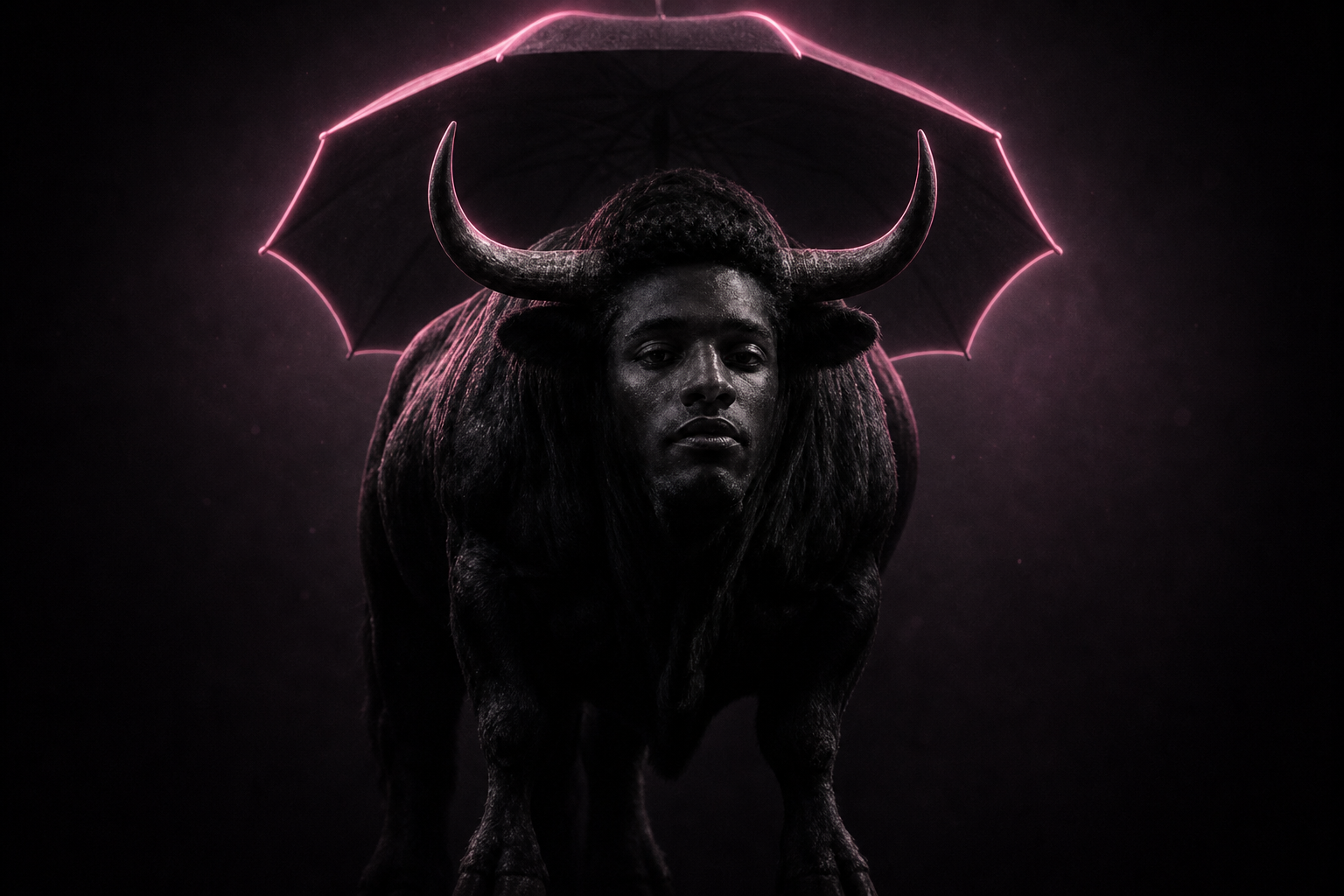
I spent a lot of this year getting rugged. Not in the dramatic, one-bad-trade way. In the slow, repeated, death-by-a-thousand-shakeouts way, the kind where you keep being technically right about the big move and keep getting separated from it anyway.
Somewhere in there I stopped treating each loss as bad luck and started treating the pattern as the product. Because it is a product. The Solana memecoin market is not ten thousand independent coins competing on merit. It is a small number of operators controlling a small number of coins that capture the majority of the liquidity and the majority of the upside. Everything else orbits those coins as bait.
This is the playbook I now see every time. I am going to walk through the mechanism, the psychology that makes it work on you, the one heuristic that helps, and the on-chain evidence that actually separates the real coin from the copy. At the end there is a live example that was unfolding on my screen as I wrote this.
Nothing here is financial advice. It is a description of a machine.
the core claim
There is a main runner. Around it, a swarm of smaller coins gets deployed. Narrative coins, PVP coins, copies, tributes. Almost all of them are built to fail. They are not competitors to the runner. They are tools to harvest liquidity from market participants and recycle it back into the runner.
Examples from this year, if you were watching: whitewhale and penguin earlier on, and more recently a wave of influencer-themed coins. The names change. The structure does not.
the machine, step by step
The cycle is simple once you have seen it a few times:
Each loop transfers money from participants into the runner. Each new high on the runner is funded by the previous shakeout. The big catalyst candles, the vertical green ones everyone screenshots, are very often paid for with liquidity harvested from the people who just got shaken out.
why it works on you
The machine is not really about charts. It is about attention and emotion. It separates confident holders from their position three ways.
Confusion. Multiple similar coins make it genuinely unclear which one is the real one. You sell the runner to chase a copy, the copy rugs.
Fear. The runner's chart is made to look broken. 60% pullbacks are normal. You get shaken out near the lows, right before the next leg up.
FOMO. While the runner bleeds, the bait coins look like they are taking off. Your attention and your capital drift toward the thing that is pumping right now.
Most people have a short attention span. The full move usually takes somewhere between one and six weeks to play out. That is far longer than the average holder's patience, which is the entire point. You do not lose because you were wrong. You lose because you could not stay seated.
the three hard problems
Everything difficult about trading this reduces to three things:
Solve those three and the rest is noise. Most of the noise exists specifically to stop you solving them.
the OG almost always wins
There is an unspoken rule in this market: the original almost always wins, and the coin trying to vampire it almost always loses. This is not folklore. There is a mechanism under it.
Memecoins have no cashflow and no fundamentals. The only thing holding value is shared attention on a single focal point. That structure favours the original three ways:
So the base rate is real: low odds the copy overtakes, higher odds it rugs and recycles.
But the rule betrays you in two specific places, and you need to know both.
One: the rule only helps if your identification is correct, and the copy's entire job is to corrupt that. "the OG wins" is only actionable once you know which one is the OG, and knowing that is the exact thing the manipulation attacks. Always check that your OG is genuinely first in the chain you care about, not just first in the last few hours.
Two: being right about the destination does not protect you from the path. The copy can run further and longer than feels possible. The original can bleed deeper than your conviction lasts. You can be completely correct that the original wins in the end and still get shaken out at the bottom. "the OG wins eventually" and "you survive to see it" are two different bets. The heuristic only wins you the first one.
the influencer bag trick
A recurring move: send a large chunk of supply, sometimes most of it, to a well-known influencer's wallet, unsolicited. On the surface, people see the influencer holding a big position and read it as bullish endorsement.
It is the opposite. Here is why it falls apart:
So a giant influencer holding is usually a red flag wearing a green costume.
the part nobody wants to hear: your stop is the target
Here is where most education stops and most accounts die. You set an invalidation level. The operators know exactly where invalidation levels sit, because everyone uses the same obvious ones. So they wick straight through those levels to grab the resting liquidity, print the lowest possible bottom, shake out the maximum number of people, and then run the move.
The wrong conclusion is "so don't use a stop." That is how you hold to zero. The right conclusion is to make your invalidation hunt-resistant:
And watch the most dangerous failure mode of all: a thesis that explains everything. If the copy goes down it confirms your view, and if the copy goes up it also confirms your view ("just a shakeout"), then you no longer have a prediction. You have a belief that cannot be wrong. A belief that cannot be wrong is exactly the psychological state the machine is built to manufacture, and it is indistinguishable from the inside from the state that holds a bag to zero. Keep one line that is allowed to tell you you are wrong, and keep honouring it even when the story is good.
price action lies. on-chain data does not.
This is the most useful thing I learned all year. The chart will fit both stories. Whether the copy is winning or whether the copy is being pumped before a rug, the candles look similar in real time. What does not look similar is the ownership.
So when you cannot tell the runner from the vampire by price, look at the structure of who holds it:
None of that can be faked with a wick. The chart can deceive you for hours. The holder distribution cannot.
a live example, unfolding as I write this
To be clear before I show you this: this is an illustration of the pattern, not a recommendation, and the outcome is unknown. The original here could still fail. I am showing you what the machine looks like in motion, not telling you to buy anything.
There is an original coin, roughly three days old, that a community formed around. As I write this, the one I am watching as the original is:
6KDh3wLSZMg37nnU7prtKZr7Rut7WQGSf33Vp1G7pump
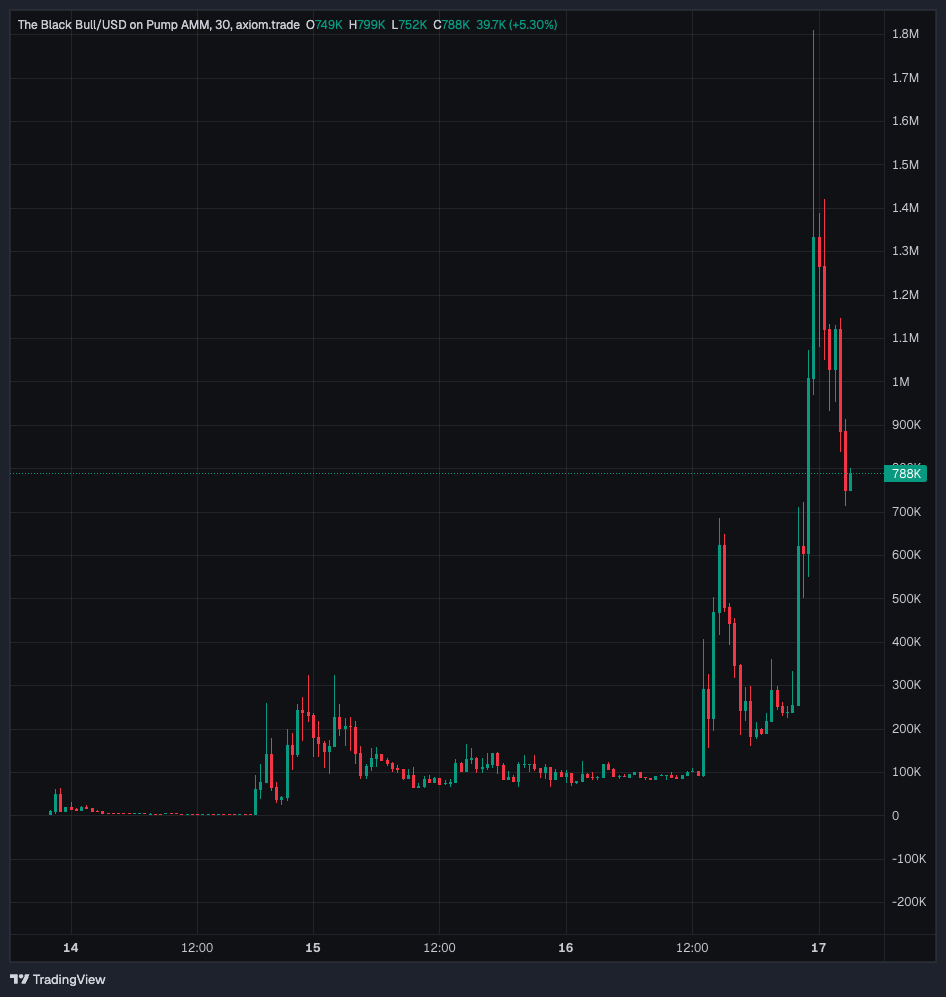
Over those three days it has been the target of several copies, all of which went to zero. It ran hard, topped, and started bleeding. Here is the runner at the moment the vamp was happening: a clean base, a vertical catalyst candle to 1.8M, then a stair-step decline.
As the runner topped and began bleeding, a new copy launched, about five hours old, with the same name. Here it is at that same moment: it pumped fast, wicked above the runner's market cap, and looked like it was winning.
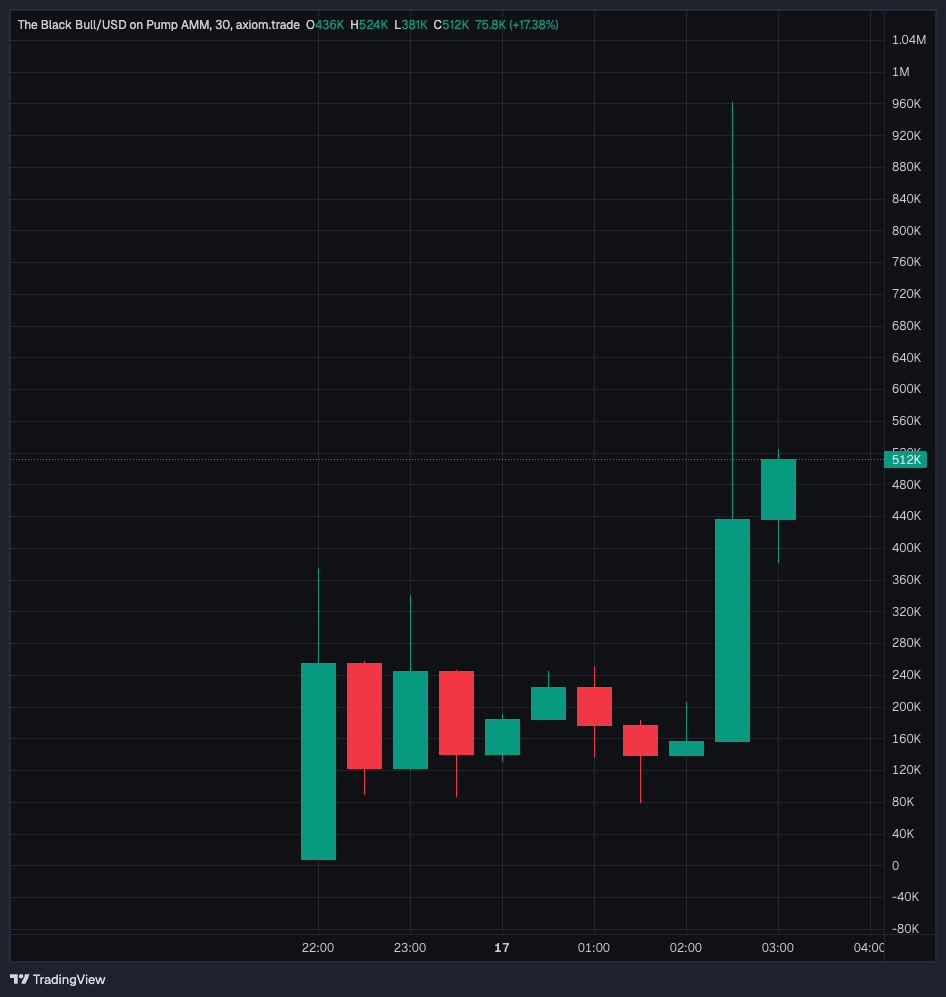
If you only watched price, you would panic. The copy is outperforming, it briefly had a higher market cap, it has more eyes on it right now. This is the exact moment the machine wants you to sell the original and chase the copy.
Now look at the ownership instead. Here is the original: top 10 hold about 21%, insiders under 10%, around 2050 holders, liquidity burned.
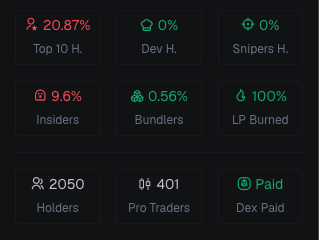
And here is the copy: top 10 hold nearly 77%, insiders over 67%, only around 332 holders.
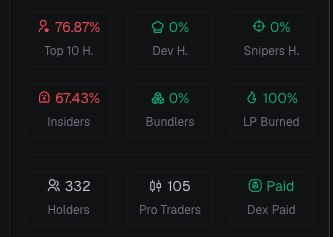
That is the whole story in two screenshots. The original is distributed across a real community. The copy is a thin base with most of the supply sitting in a handful of wallets, built to dump. The influencer bag trick shows up right there in the concentration. And the profile pictures tell the same story at a glance. The original's is crisp and properly made. The copy's is a blurry, low-effort version of it.
The original's profile picture:
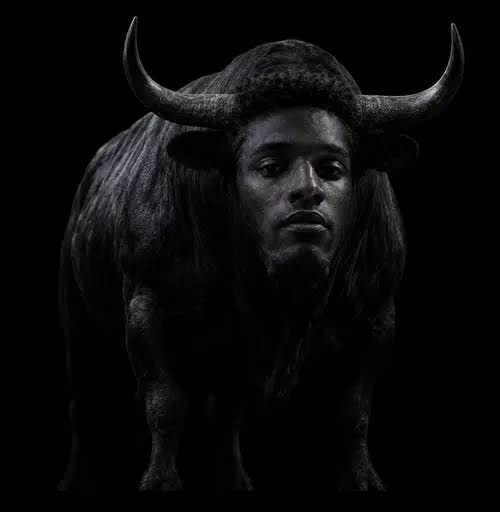
The copy's profile picture, the same image but blurry and low effort:

My read, with all the honesty I can give it: the probabilities favour the copy dying and the liquidity recycling back toward the original. It does not matter that the copy briefly has a higher market cap. That short-term outperformance is the shakeout tactic working in real time. But I am holding two claims apart, and you should too. "the copy is fragile and likely rugs" is well supported by the ownership data. "the original then goes to new highs and pays me" is the hopeful half that still has to actually happen. A distributed original can survive the copy and still slowly fade. Those are different outcomes. Size for the first, treat the second as upside.
update, a few hours later
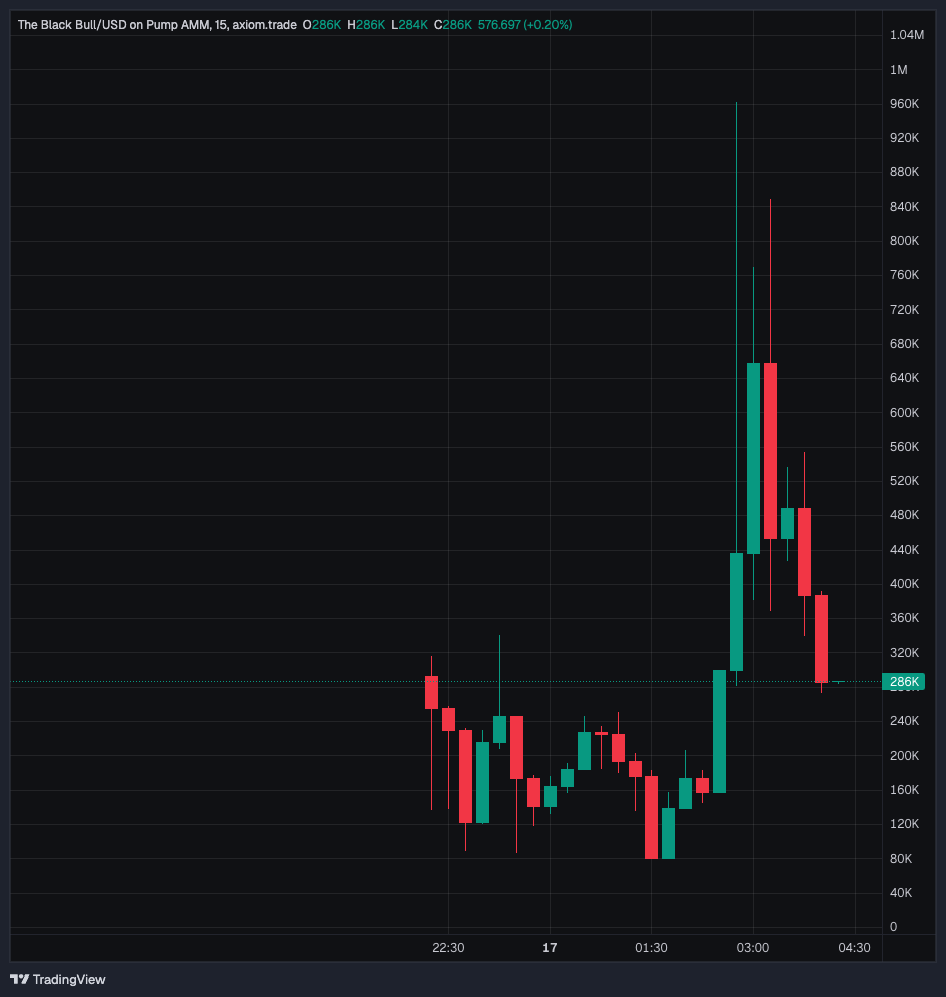
The copy did what the ownership data said it would. That wick above the runner was the top. Here is the copy at current market cap: bled back to around 285K, straight into the range it came from, the fate of every copy in this saga so far.
Meanwhile the original held and stabilised. Here it is at current market cap, around 825K, roughly five times the base it broke out from.
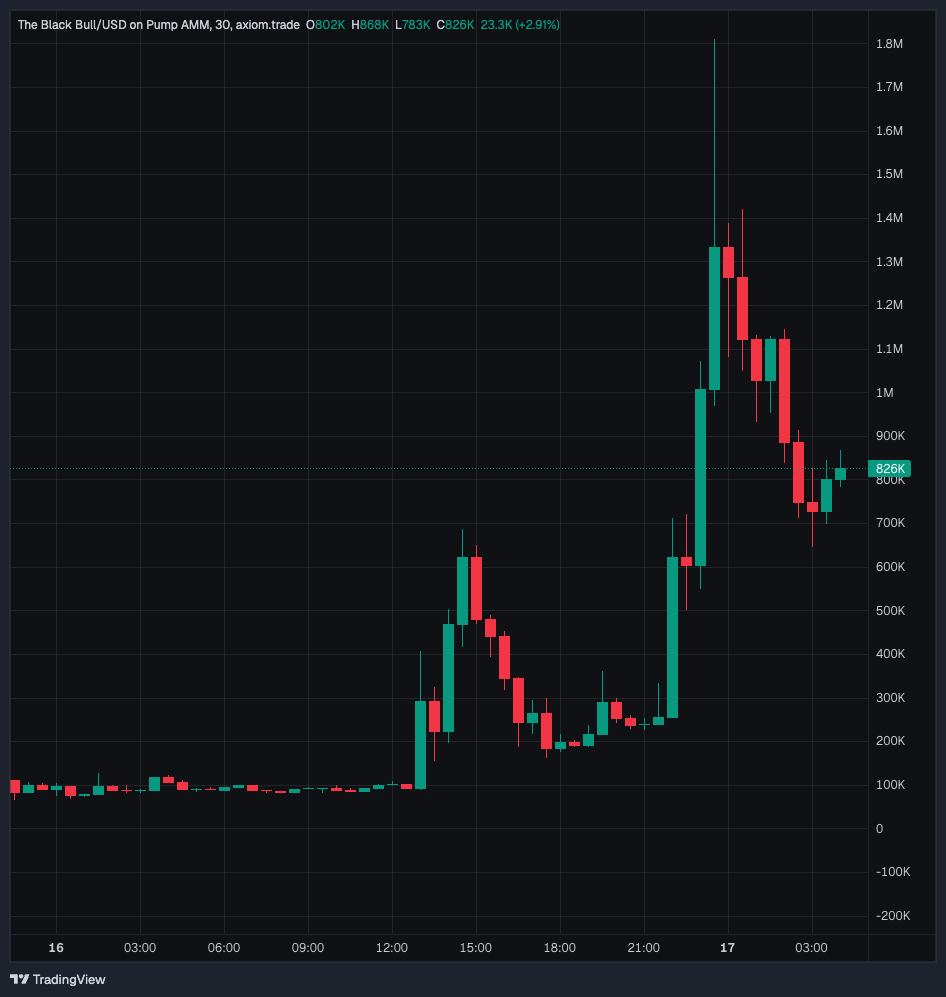
So the first claim played out: the fragile, concentrated copy faded, exactly as the holder data predicted, while the distributed original survived. That is the part the on-chain evidence supported, and it is worth sitting with, because at the moment of maximum doubt the candles said sell the original and the ownership said hold it. The ownership was right.
What it still does not prove is the second claim. The original is holding, not yet ripping to new highs. "the copy rugs" and "the original pays me" remain two separate bets, and only the first has resolved. I am still watching the holder trend, not the candles, and still keeping the one line that is allowed to tell me I am wrong.
what this means for how we built parasol
Everything above is why the manipulation filter exists. The signals that separate the real coin from the vampire, holder concentration, insider percentage, liquidity structure, wash and PVP activity, are exactly the things the engine scores on every token before it ever reaches a trade. Not because a chart told it to. Because the ownership did.
The machine works on humans because humans get confused, scared, and impatient on a one-to-six-week timeline. The defence is not being smarter than the operators. It is having a process that looks at the ownership instead of the candles, keeps one honest line that is allowed to be wrong, and does not let a beautiful story cast the only vote that counts.
I got rugged enough times to learn that the hard way. The point of building this was so you do not have to.